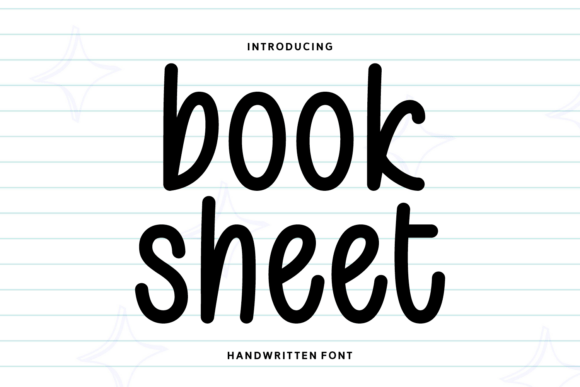
Book Sheet Handwritten: A Font That Builds Your Brand Identity
Every small business owner knows the struggle of making their brand look polished without spending a fortune on designers. You pour your heart into your products, your customer service, and your story. But when it comes to your labels, your website banners, and your social media posts, something feels off. The fonts you use don't match the quality of what you offer. That is where a thoughtful typeface like Book Sheet Handwritten changes the game.
Book Sheet is a handwritten font that brings warmth, personality, and a refined sense of style to your business materials. It belongs to the Script Amp category, which means it carries the expressive, flowing character of authentic handwriting while maintaining the clarity and consistency that professional branding requires. This is not a font that forces you to choose between charm and readability. It gives you both.
When I first tested Book Sheet for my own product labels, I noticed immediately how it softened the overall look of my packaging. It felt personal without being messy. It felt elegant without being stiff. And that balance is exactly what small businesses need when they are trying to stand out on a shelf or in a social media feed.
How One Handwritten Font Makes Every Touchpoint Feel Consistent
Your brand is not just your logo. It is every piece of paper, every digital graphic, every sticker, and every thank-you card your customers see. When you use a single font like Book Sheet across all of those materials, your brand starts to feel intentional. People may not notice the font itself, but they will notice that your business looks put together.
Book Sheet works as a display font for headlines, logos, and accent text. I use it on my product labels for the product name and on my hang tags for the brand story. On social media, it appears in Instagram story titles and Pinterest pin headlines. The handwritten style gives the impression that a real person crafted these materials, which builds trust with customers who are tired of generic corporate branding.
For a small bakery, Book Sheet could appear on the menu board, the pastry box sticker, and the website hero section. For a candle maker, it could be the main font on the label, the care card, and the Instagram post announcing a new scent. The consistency across those touchpoints is what makes a brand memorable.
Practical Uses That Actually Work in Real Business Settings
One of the concerns I hear from other business owners is whether a handwritten font can remain readable at small sizes. Book Sheet handles this surprisingly well. On a 2-inch product label, the letterforms stay open and legible. On a mobile screen, the text reads clearly without squinting. That is not true for every script font on the market.
In my own business, I use Book Sheet as a headline font paired with a clean sans serif font for body text. The contrast between the expressive headline and the simple supporting text creates visual hierarchy. Customers know immediately where to look first. That matters when you have only a few seconds to capture attention on a crowded shelf or a busy Instagram feed.
Here are some of the ways Book Sheet can be integrated into real business materials:
- Product labels and hang tags for handmade goods like candles, soaps, skincare, food items, and apparel
- Packaging design for subscription boxes, gift sets, and retail displays
- Business cards and stationery for boutique shops, cafes, and service providers
- Menu design for coffee shops, bakeries, and restaurants
- Website banners and hero sections for online stores
- Social media graphics on Instagram, Pinterest, and Facebook
- Email marketing headers and newsletter titles
- Thank-you cards, stickers, and inserts that go inside customer orders
- Flyers and promotional materials for local events and markets
Each of these applications benefits from the handwritten quality of Book Sheet because it makes the business feel approachable. A coaching business, for example, might use this font on their website header and digital ad creative to signal a warm, human-centered approach. A boutique clothing brand could use it on price tags and shopping bags to reinforce a handcrafted aesthetic.
Why the Right Font Helps Customers Remember Your Business
Think about the businesses you remember. Chances are, they have a distinct visual identity that goes beyond their logo. The typography they choose becomes part of their personality. Book Sheet carries a natural warmth that invites customers in. It is not loud or aggressive. It is the kind of font that makes people feel like they are reading a handwritten note from someone they trust.
For a small business owner, that emotional connection is invaluable. When a customer picks up a product and sees a beautifully handwritten label, they assume the same care went into the product itself. That assumption can be the difference between a first purchase and a repeat customer.
Book Sheet also works well as a commercial font for businesses that sell digital products, templates, or printables. If you create social media templates, planners, or branding kits for other small businesses, this font gives your work a premium feel without looking overused. It is distinctive enough to set your designs apart, yet versatile enough to work across different project types.
Pairing Book Sheet with Other Fonts for a Professional Finish
No font works in isolation. The best brand identities use two or three typefaces that complement each other. Book Sheet pairs naturally with clean sans serif fonts because the contrast between handwritten and geometric styles creates balance. For body text on a website or a product description, a simple sans serif keeps the reading experience smooth while the headline style adds personality.
If you prefer a more classic look, you can also pair Book Sheet with a subtle serif font for body copy. That combination works well for brands in the beauty, wellness, or home goods space where a soft, refined aesthetic is appropriate. The key is to let Book Sheet take the lead as the accent or display font while the supporting typeface stays neutral and legible.
When you are testing font pairings for your brand, start by looking at the mood you want to create. Do you want playful and friendly? Go with a rounded sans serif. Do you want elegant and sophisticated? Try a thin serif font. Do you want modern and clean? A minimalist sans serif will do the job. Book Sheet adapts to each of these directions because its handwritten character is warm without being overly decorative.
Testing Book Sheet Before You Commit Your Entire Brand
Before you apply any font across your full brand identity, it is wise to test it in real contexts. I recommend creating a mockup of your most common customer-facing material, whether that is a product label, a social media post, or a website header. See how Book Sheet looks at the size it will actually appear. Check the spacing between letters and how the font reads on different backgrounds.
Print a sample label or a business card. View it on a phone screen. Show it to a friend or a customer and ask what they notice. If the font feels natural and communicates the right personality, you can move forward with confidence. If something feels off, adjust the size, color, or pairing until it clicks.
This testing phase saves you from rebranding later. Fonts that look beautiful in a preview can behave differently in real use. Book Sheet performs well across most contexts, but every brand is unique. Taking the time to test ensures that your investment in a premium font pays off in the long run.
Understanding Commercial Licensing for Your Business
Before you use Book Sheet on your products, packaging, social media templates, or client work, check the commercial font licensing terms. Many fonts require a separate license for commercial use, especially if you are selling products that feature the font or using it in templates that customers will purchase. As a small business owner, it is your responsibility to make sure your font usage is compliant.
Script Amp, the category under which Book Sheet falls, often includes fonts that are designed with commercial applications in mind. But you should always verify the specific license agreement before you upload your first product label or send your website live. A proper license protects your business and supports the designers who create these tools.
Once you have the right license, you can use Book Sheet freely across your brand materials without worrying about legal issues. That peace of mind allows you to focus on what matters: building a business that looks professional, feels personal, and connects with the customers you serve.
Book Sheet is more than a font. It is a tool that helps small business owners communicate their story with clarity and warmth. When you use it consistently across your branding, your packaging, and your digital content, you build recognition and trust with every person who encounters your brand. And in a marketplace where customers have endless choices, that trust is everything.